Styles
Fine Line Tattoos: The Honest Guide
What fine line tattooing actually is, why it looks so good fresh, the trade-offs nobody mentions, and how to make one last in Indian conditions.
By Soniya · 6 min read · Updated 15 August 2026
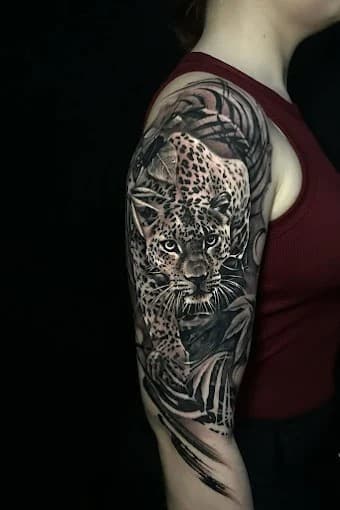
Fine line is the style people come in asking for more than any other right now, and it is a genuinely beautiful way to work. It is also the style most often sold without the trade-offs attached. Here is the full picture, because choosing it with your eyes open produces a much better outcome than choosing it from a feed.
What fine line actually means
Fine line work uses very small needle groupings — often a single needle or a tight cluster of three — to lay down thin, consistent lines with little or no heavy shading. The result is delicate, precise and graphic, closer to a pen drawing than to traditional tattooing.
It suits botanical work, script, small symbols, minimal figurative pieces and delicate ornamental designs. It does not suit anything that needs bold contrast to read from a distance.
Why it is difficult to do well
A thin line is unforgiving. There is no bold outline hiding a wobble and no heavy shading covering an inconsistency — every hesitation shows. Needle depth matters enormously too: slightly too shallow and the line drops out during healing, slightly too deep and the ink spreads under the skin into a blurry, blown-out line that cannot be undone.
This is why fine line is a poor place to bargain-hunt. The technique has the narrowest margin for error of any common style, and the failure modes are permanent.
The trade-offs nobody mentions
It ages faster than bold work
All tattoo ink spreads slightly over the years. A 3mm traditional line spreading by 0.3mm is imperceptible. A 0.3mm fine line spreading by the same amount has doubled in width. Fine line tattoos genuinely do soften and lose crispness sooner than bold work — that is physics, not poor execution.
This is not a reason to avoid the style. It is a reason to plan for touch-ups and to protect it properly.
It is less forgiving of sun
UV breaks down pigment, and there is less pigment in a fine line to begin with. In Kolkata's climate, an unprotected fine line piece on an exposed forearm will visibly soften faster than the same design would in a cooler, cloudier place. Sunscreen is not optional maintenance for this style — it is the single biggest factor in how long it stays sharp.
Placement matters more
High-friction areas punish fine line work disproportionately. Hands, fingers, feet and the inside of the wrist are the worst offenders. Fine line on those placements should be treated as a piece that will need periodic reworking, not a one-time job.
How to make a fine line tattoo last
- 1.Choose an artist by their healed fine line work specifically, not their fresh photos. Fresh fine line always looks perfect. Healed fine line is the only honest evidence.
- 2.Do not go too small. Fine line plus tiny size compounds both problems at once.
- 3.Leave more space between elements than looks necessary — that gap is what absorbs a decade of spread.
- 4.Sunscreen every time the tattoo is exposed, forever.
- 5.Keep the skin moisturised. Dry, dehydrated skin makes thin lines look patchy.
- 6.Accept a touch-up at some point as normal maintenance rather than a failure.
Healing is slightly different
Fine line work usually heals faster and more comfortably than heavy shading — less trauma to the skin means less swelling and a shorter weeping stage. The catch is that the flaking stage is more dangerous for the result. Picking a flake off a bold tattoo removes a fraction of a thick line; picking one off a fine line piece can remove a visible section of it. The standard aftercare rules apply with less room for error.
Who fine line suits
It is a great choice if you want something delicate and understated, you are happy to protect it from sun, and you accept it will soften over time. It is the wrong choice if you want something that will look identical in twenty years with no maintenance — bold traditional work is genuinely better at that, and there is no shame in wanting it.
Fine line is one of our core styles, and we would rather talk you into the right size and placement for it now than rework a blown-out piece in three years. Send your reference over and we will give you a straight assessment of whether fine line is the right call for that specific design.