Planning
Getting Your First Tattoo: What Nobody Tells You
A straight guide to your first tattoo — choosing a design and placement, what to do before the session, what it actually feels like, and the mistakes first-timers make.
By Soniya · 7 min read · Updated 15 August 2026
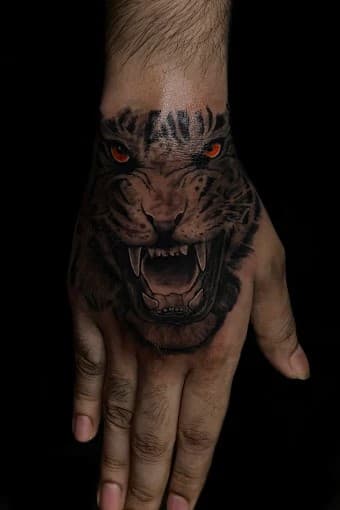
Most first-tattoo nerves come from not knowing how the process works rather than from fear of the needle. Here is the whole thing, start to finish.
Choosing a design you will still like
The most common regret is not a bad tattoo — it is a rushed one. A useful test: if you have wanted this design for more than six months, it is probably safe. If you decided on it last week because of something you saw online, sit with it a bit longer.
- Bring references, not a finished design. Three or four images showing the style, mood and level of detail you want give an artist far more to work with than one image you want copied exactly.
- Avoid copying another person's custom tattoo. Beyond it being someone else's piece, it will not fit your body the same way.
- Be careful with names and dates. Nobody talks you out of these, but it is worth an honest moment of thought.
- Think about size honestly. Very small tattoos with fine detail do not age well — lines spread slightly over years, and detail packed too tightly eventually merges into a blur. Your artist may suggest going slightly larger for exactly this reason, and it is not an upsell.
Placement for a first tattoo
Outer forearm, outer upper arm, calf and outer thigh are the usual first-timer recommendations, and for good reasons: they hurt less, they heal easily, they are simple to keep clean, and you can see the tattoo yourself without a mirror. Ribs, sternum, feet and hands are all more painful, slower to heal, and harder to care for.
Also worth thinking about: visibility. Not because anyone should hide their tattoos, but because it is your decision to make deliberately rather than discover afterwards.
The day before
- No alcohol for 24 hours. It thins the blood, which means more bleeding, ink that does not settle as cleanly, and a harder session for both of you.
- Sleep properly. Being tired makes pain substantially harder to sit through.
- Stay hydrated. Well-hydrated skin takes ink better.
- Do not shave the area yourself. Your artist will handle it with a fresh razor — home shaving can leave micro-cuts that complicate the session.
- Avoid blood-thinning painkillers like aspirin. Paracetamol is fine if you need something.
On the day
Eat a full meal within a couple of hours of the session. This matters more than any other single piece of advice here — low blood sugar is the main reason people feel faint during a tattoo, and it is entirely preventable. Bring a sugary drink and a snack for longer sessions.
Wear clothing that gives access to the placement without you having to undress awkwardly, and something you do not mind getting ink on. Bring photo ID confirming you are 18 or over — any reputable artist will ask, and one who does not is telling you something.
What it actually feels like
Most people describe it as a hot scratch, or a cat scratching the same line repeatedly. It is uncomfortable rather than unbearable, and the anticipation is almost always worse than the reality. The first few minutes are the worst part — your body adjusts surprisingly quickly.
Outlining tends to feel sharper; shading is a duller, more spread-out sensation that most people find easier. You can ask for a break at any point. Nobody will think less of you, and a client who is tense and shaking is genuinely harder to tattoo than one who took two minutes to breathe.
Mistakes first-timers make
- 1.Choosing an artist on price alone. Look at healed work in the style you want.
- 2.Going too small for the level of detail requested.
- 3.Arriving on an empty stomach or hungover.
- 4.Not speaking up during stencil placement. This is your last easy chance to move it — say something if it looks off, even slightly.
- 5.Ignoring aftercare in week two, once it stops looking dramatic and starts looking boring. That is exactly when picking at flakes ruins the result.
Point four is worth repeating. Once the needle starts, placement is permanent. Take your time with the stencil, look at it in a mirror, and move it as many times as you need to.
Afterwards
Your artist will wrap the tattoo and explain the aftercare. Follow it properly — the healing period determines how the tattoo looks permanently, and it is the part entirely within your control.